How to Bet on Horse Racing in the UK: A Beginner’s Walkthrough
 Available in US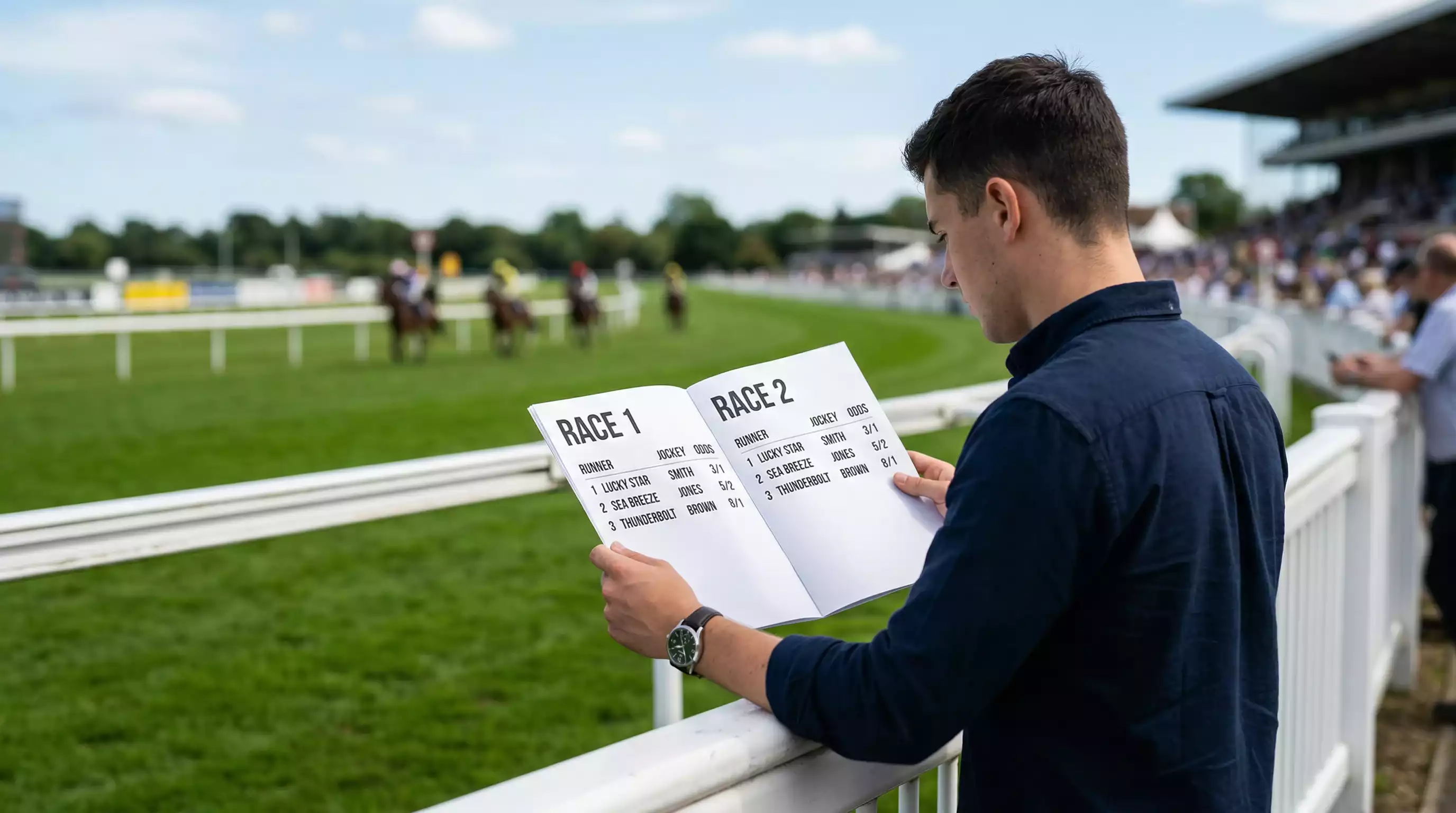
I placed my first horse racing bet at Kempton Park in 2015, and I got almost everything wrong. I backed a horse because I liked the name, had no idea what each-way meant, and accidentally placed a forecast instead of a win bet. That tenner vanished in about ninety seconds. Eleven years later, I spend my working life analysing the UK racing market – and I still think the biggest gap in this industry is that nobody walks a new punter through the process without trying to sell them something. This guide fixes that. No affiliate links, no recommended bookmakers – just the actual steps you need to take, the mistakes I wish someone had warned me about, and enough context to stop you feeling lost when the betting slip stares back at you.
Nearly half of all UK adults have gambled in some form over the past four weeks, but horse racing accounts for a much smaller share – around 4% to 7% depending on the time of year. That means the vast majority of people reading this will be approaching racing from scratch, possibly drifting in from football betting or the lottery. The mechanics are different here, and the learning curve is steeper than most sites admit.
Opening a Betting Account: What You Need
The first time I tried to open a betting account online, I was rejected because my driving licence photo was blurry. That was 2016, and Know Your Customer checks have only become more rigorous since. Every licensed UK operator must verify your identity before allowing you to bet – this is not optional, and it is not a sign that anything shady is going on. It is a legal requirement under the Gambling Act 2005, enforced by the UK Gambling Commission.
To register, you will need your full name, date of birth, residential address, and a valid form of photo ID. A UK driving licence or passport works for most operators. Some will also ask for proof of address – a utility bill or bank statement dated within the last three months. The verification process can take anywhere from a few minutes to 48 hours, depending on the operator and whether automated checks can confirm your details.
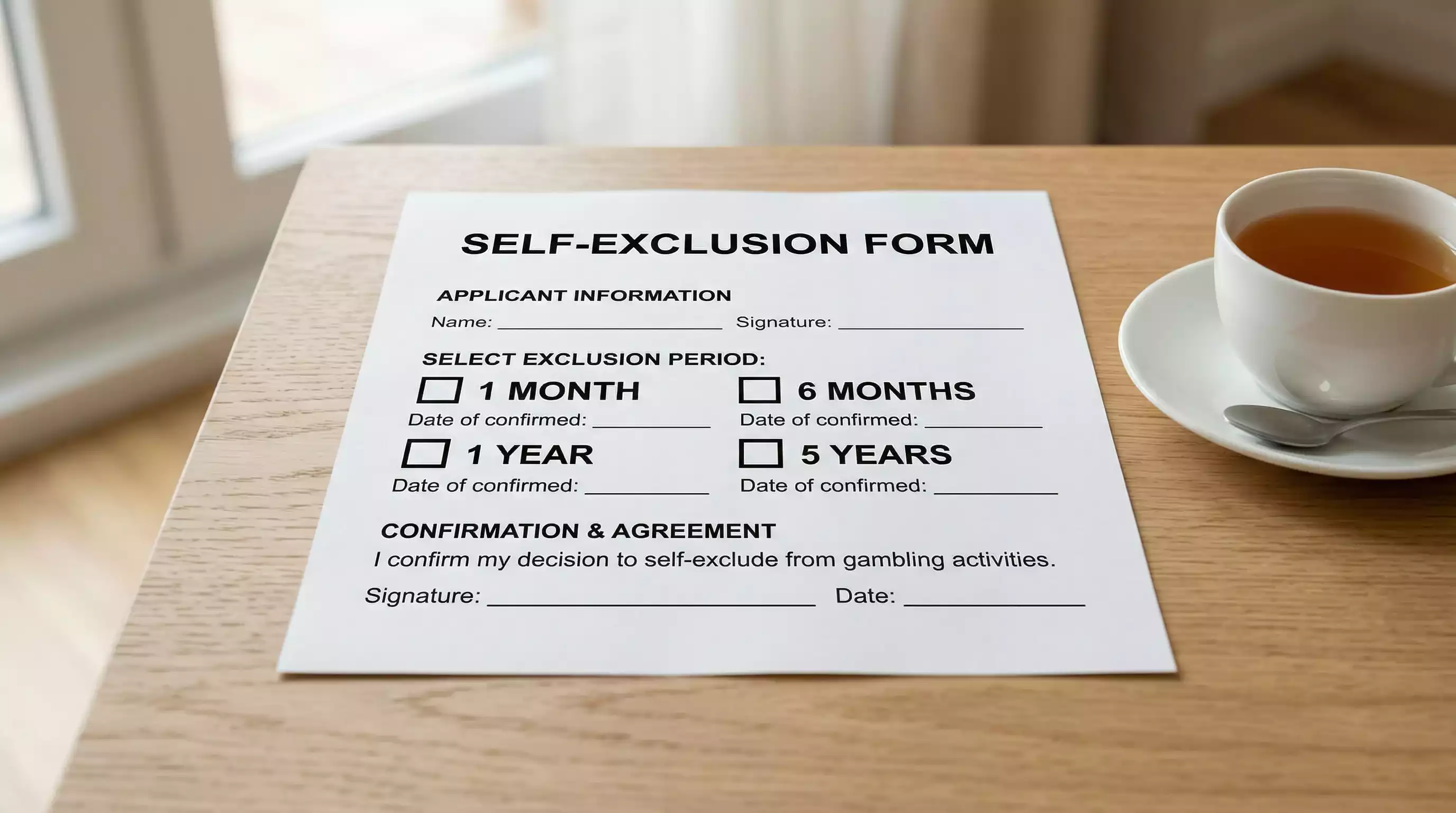
A few practical points that catch new punters off guard. First, you must be 18 or over – no exceptions. Second, the name on your betting account must match the name on your payment method. Third, most operators now require you to set deposit limits during registration. This is a responsible gambling measure, and I would strongly recommend setting a weekly limit that reflects what you can genuinely afford to lose. Treat this as a hard budget, not a suggestion.
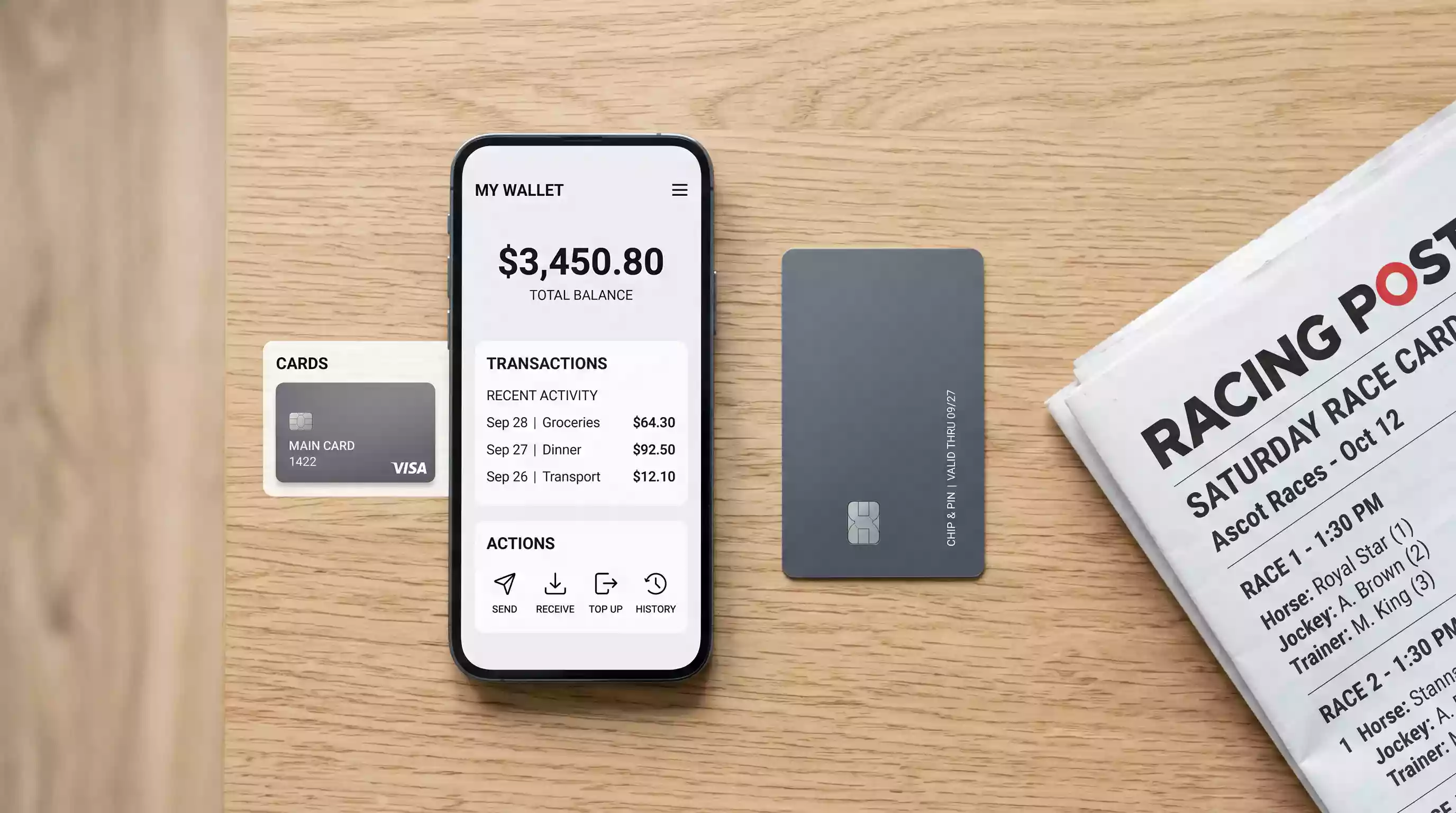
Once verified, you will need to deposit funds. Debit cards are the most common method, though e-wallets and bank transfers are widely accepted. Credit card deposits have been banned in the UK since April 2020. Minimum deposits vary but typically start at five or ten pounds.
Placing Your First Horse Racing Bet: Step by Step
I remember staring at a racecard for the first time and thinking it looked like a spreadsheet designed by someone who actively disliked new readers. Numbers, letters, abbreviations, colours – all crammed into a grid with no obvious starting point. The good news is that for your first bet, you do not need to understand all of it. Here is what actually matters.
Start by choosing a race meeting. UK racing runs almost every day of the year, with fixtures at courses like Ascot, Cheltenham, Newmarket, and dozens of others. Each meeting has a programme of races, usually five to eight, scheduled at intervals of roughly 20 to 30 minutes. Pick a race that has not yet started – the off time is clearly displayed.
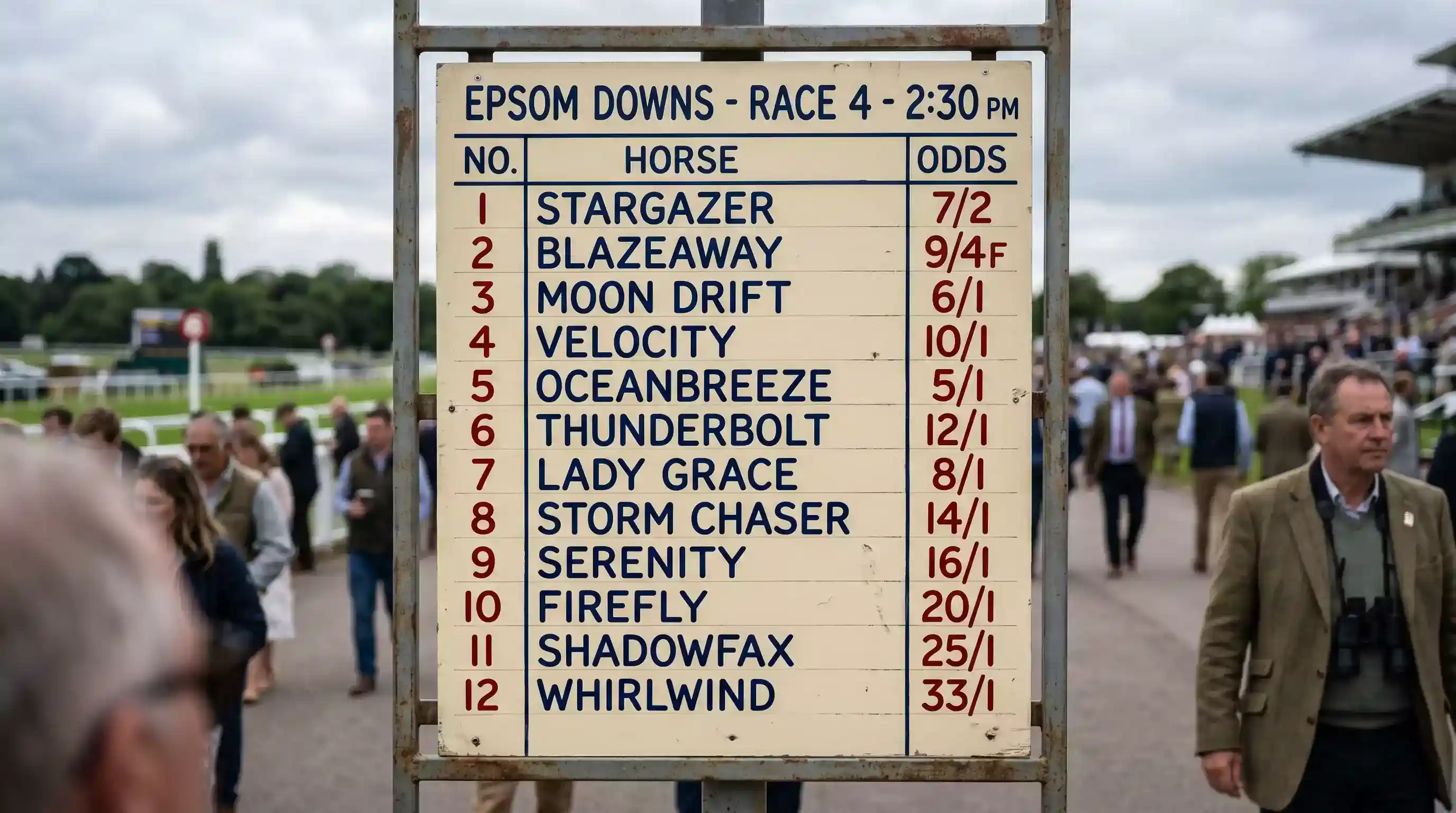
Next, look at the runners. Each horse in the race has a name, a jockey, a trainer, a number, and a set of odds. The odds represent how likely the market considers that horse to win. Lower odds mean a shorter price and a higher perceived chance; higher odds mean a bigger potential payout but a lower perceived chance. A horse at 2/1, for example, would return three pounds for every pound staked (your two pounds profit plus your one pound stake back).
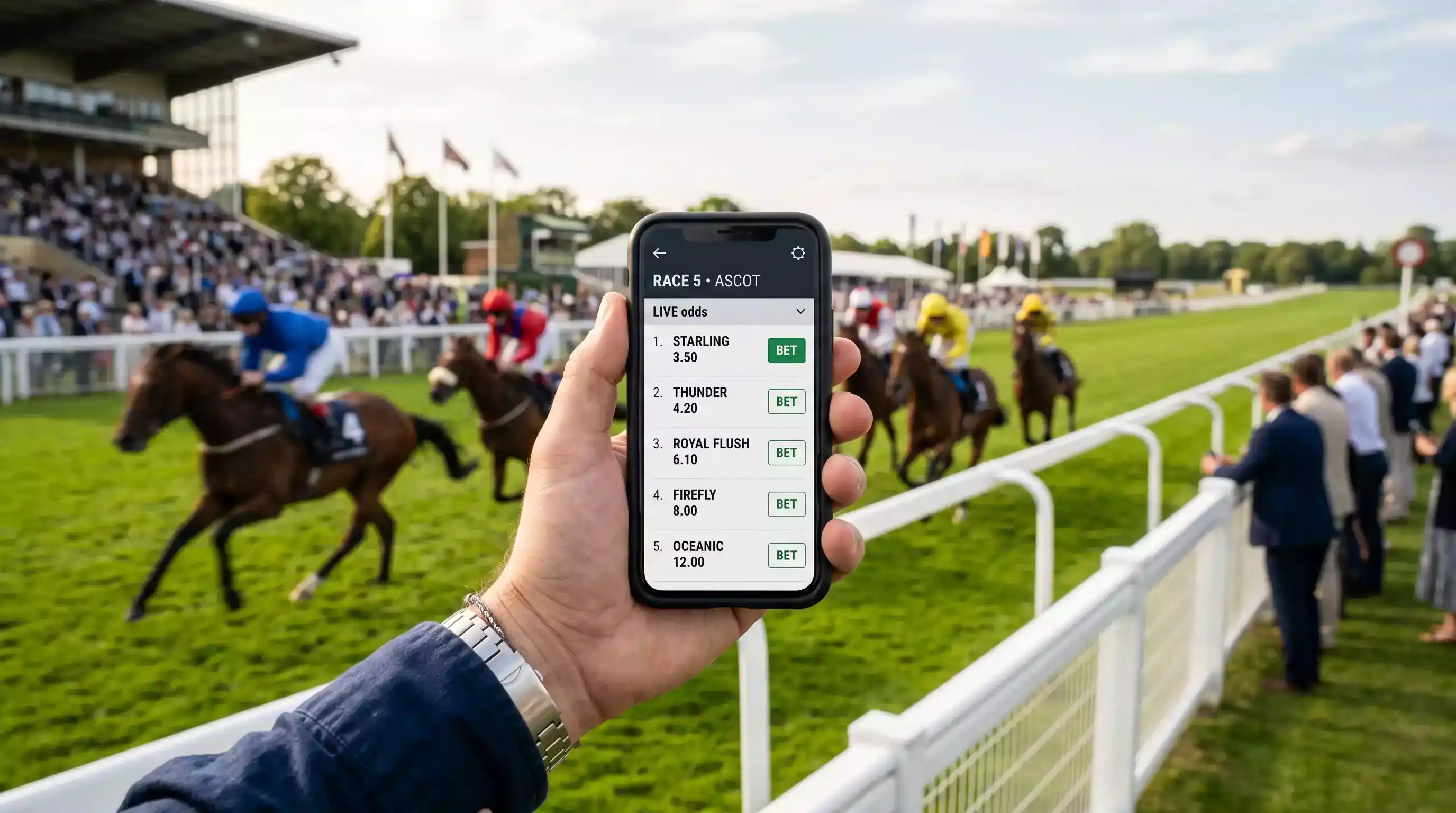
Select the horse you want to back. On most betting platforms, clicking or tapping the odds adds the selection to your bet slip. You then choose the type of bet – for your first wager, stick with a simple “win” bet. Enter your stake (the amount you want to risk), and the platform will display the potential return. Review it, confirm, and that is it. You have a live bet.
One thing I always tell new punters: watch the race. Whether through a live stream on the betting site or on a TV channel like Racing TV or ITV Racing, actually seeing your horse run transforms the experience from a number on a screen into something visceral. It is the reason people have been betting on horse racing for centuries.
Which Bet Types Work Best for Beginners
When I started, I made the classic beginner error of jumping straight into exotic multiples because the potential returns looked enormous. A four-fold accumulator paying 200/1? Sign me up. The reality was a string of near-misses and empty pockets. Nine years of analysing betting data has taught me that beginners should start simple and expand their repertoire gradually.
The win bet is your foundation. You pick a horse, it wins, you get paid. No ambiguity, no partial outcomes, no complicated terms. It is the clearest way to learn how odds translate into returns, and it forces you to focus on one question: can this horse finish first?
The each-way bet is the natural next step. An each-way bet is actually two bets in one – a win bet and a place bet. If your horse wins, both parts pay out. If it finishes in the places (typically the top two, three, or four, depending on the number of runners), you lose the win part but collect on the place part at reduced odds. This gives you a safety net, which is particularly useful in large-field handicaps where picking the winner is tough but identifying a horse that will finish near the front is more achievable.
Avoid accumulators, trixies, and yankees until you are comfortable reading form and understanding value. These bet types compound risk across multiple selections, and while the payouts can be dramatic, the probability of winning drops sharply with each added leg. There is a time for multiples, but it is not your first month.
Five Mistakes New Punters Make on Day One
After nearly a decade in this market, the same errors come up again and again. I have made most of them myself, so this is not judgement – it is a shortcut past the expensive lessons.
First, betting without a budget. The PGSI data from the UK Gambling Commission’s latest survey found that 2.7% of UK adults scored 8 or above on the Problem Gambling Severity Index, with the figure reaching roughly 10% among 18 to 24-year-olds. Setting a loss limit before you start is not being cautious – it is being sensible. Decide what you can lose this week, and stop when you hit it.
Second, chasing losses. You lose your first bet, so you double the next one to “get even.” This is the fastest route to an empty account. Every race is independent. The previous result has no bearing on the next one.
Third, ignoring the going. Ground conditions – firm, good, soft, heavy – dramatically affect how horses perform. A horse with brilliant form on firm ground can flounder in heavy going. Check the conditions before you bet.
Fourth, betting on every race. A typical day’s racing might include 30 to 40 races across multiple meetings. You do not need an opinion on all of them. Selectivity is a skill, not a limitation. The best punters I know bet on a fraction of the available races.
Fifth, treating odds as predictions. Odds reflect the weight of money in the market, not objective truth. A 2/1 favourite does not win one in three races – it wins when the horse, the jockey, the ground, and the pace all align. Learning to read form rather than blindly following the market is the single most valuable skill you can develop.
Your First Week: What to Focus On
I am not going to pretend that one article will make you a sharp punter. It will not. What it can do is give you a framework for learning efficiently rather than expensively. In your first week, place small-stake win bets on races where you have actually looked at the runners. Read at least one racecard properly before every bet. Watch the races you bet on. Track your bets – write down what you backed, why, and what happened. After a week of this, you will know more than most casual punters ever learn, and you will have a record that tells you where your instincts are reliable and where they need work.
Horse racing in the UK is a market with over 24 million active betting accounts and a deeply entrenched culture. There is a lifetime of knowledge to absorb. But every punter who now reads form instinctively once stood where you are standing, staring at their first racecard and wondering what on earth a “going stick reading of 7.2” meant. Start with the basics, keep your stakes small, and let the understanding come with the races.
How much money do I need to start betting on horse racing?
Most UK betting sites accept minimum stakes of one or two pounds, and minimum deposits are typically five to ten pounds. You do not need a large bankroll to start. Set a weekly budget you can afford to lose entirely – twenty pounds is a reasonable starting point for learning the mechanics without significant financial risk.
Do I need to verify my identity before placing a bet?
Yes. Every UKGC-licensed operator must verify your identity before you can deposit or place a bet. This involves providing photo ID such as a passport or driving licence and sometimes proof of address. The process can be instant through automated checks or take up to 48 hours if manual review is required.
Written by the editors at Horse Racing bet Website.