Horse Racing Cash Out: How It Works and When to Use It
 Available in US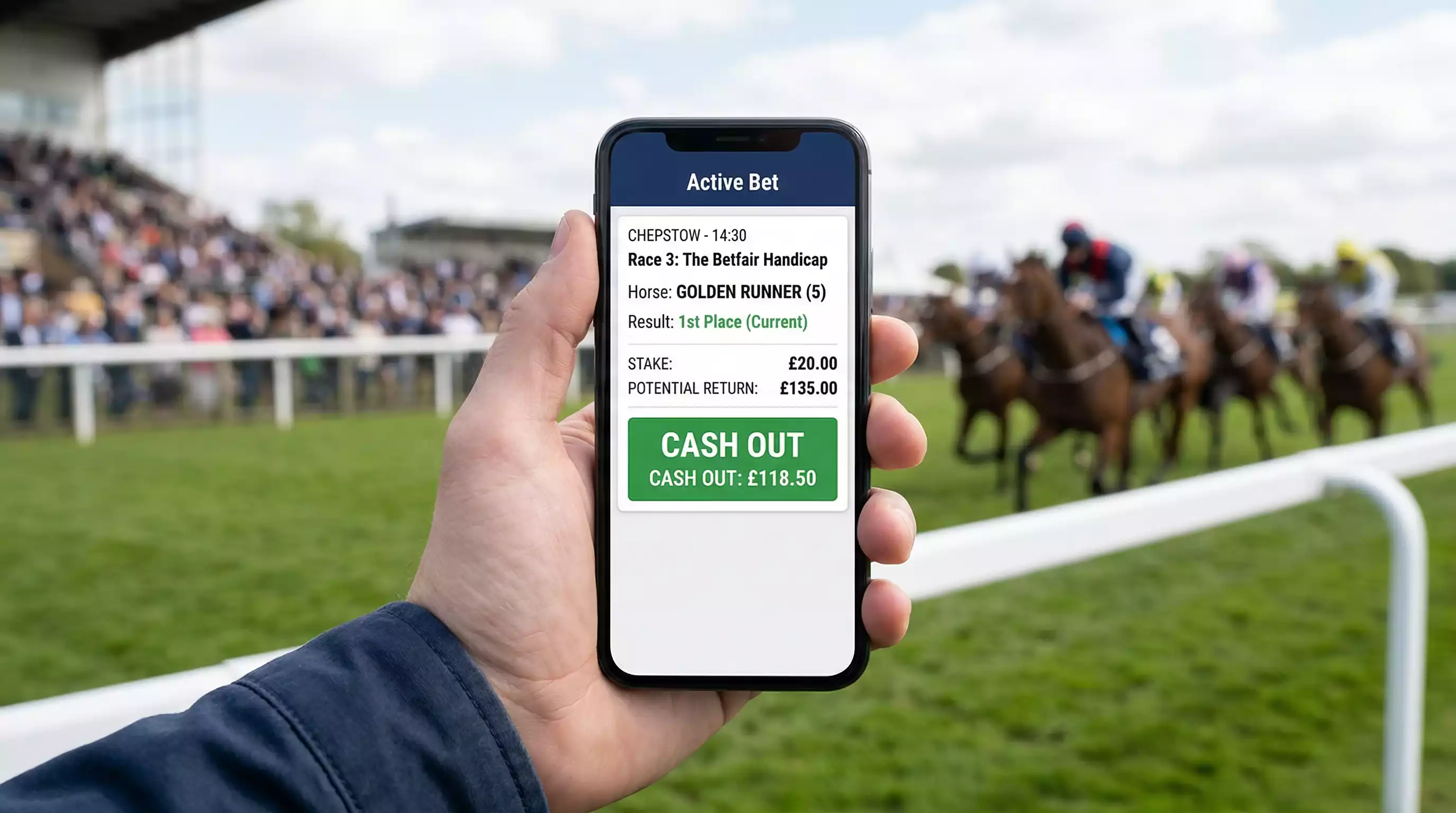
The first time I used cash out on a horse racing bet, I locked in 45 pounds profit with two furlongs to go. My horse was three lengths clear, cruising, and I thought I was being smart. It won by six lengths, and my full return would have been 120 pounds. I had given away 75 pounds for the comfort of certainty. That experience taught me that cash out is not a neutral tool – it is a product designed to benefit the bookmaker, and using it wisely requires understanding exactly how the maths works against you.
Nine years later, I use cash out selectively. There are moments when it is the right call, moments when it costs you money, and a large grey area in between where discipline matters more than instinct. This guide covers the mechanics, the maths, and the decision framework I use to determine when pressing that button actually makes sense.
How Cash Out Is Calculated on Horse Racing Bets
Cash out is not a generous offer from your bookmaker. It is a real-time recalculation of your bet’s current value based on the in-play odds, adjusted by a margin that ensures the bookmaker profits from the transaction regardless of the outcome. Understanding this margin is the key to using cash out effectively.
The basic calculation works like this. When you place a bet at 10/1 with a ten-pound stake, your potential return is 110 pounds. If the horse moves to 3/1 in-play (because it is travelling well, or the favourite has fallen), the bookmaker recalculates the bet’s current value. In theory, the fair cash-out value would be approximately 27.50 pounds (your stake multiplied by the ratio of original odds to current odds, adjusted for probability). In practice, the offered cash-out figure will be lower – typically 5% to 15% below the fair value – because the bookmaker applies a margin.
That margin is the bookmaker’s profit on the cash-out transaction. They are effectively buying your bet back at a discount, then holding the residual risk (or laying it off in the market) at a price that guarantees them a return. Every time you cash out, the bookmaker captures value. This does not mean cash out is always a bad decision – sometimes the certainty is worth the cost – but it means you should never think of it as “free money.” It is a trade, and one party has a structural advantage.
The cash-out value fluctuates constantly during a race. As the horses jump, the prices move, and the cash-out figure moves with them. A horse that is pulled up or falls will see its cash-out value drop to zero instantly. A horse that takes the lead two fences out will see its cash-out value spike. The volatility is real, and the window for capturing a good cash-out price can close in seconds.
Partial Cash Out: Locking In Profit While Staying In
Partial cash out is the feature that transformed how I think about in-play betting. Instead of cashing out your entire position, you can cash out a percentage – say, 50% or 75% – while leaving the remainder riding on the original bet. If the horse wins, you collect the partial cash-out amount plus the proportional return on the remaining stake. If it loses, you keep the partial cash-out amount and lose only the uncashed portion.
This is genuinely useful in specific scenarios. Suppose you have a 10-pound bet at 10/1, and the cash-out offer with two furlongs to go is 80 pounds. A partial cash out of 60 pounds locks in a guaranteed profit while leaving a smaller position (equivalent to roughly a 2.50-pound stake at the original odds) running for the full return. If the horse wins, you collect 60 plus approximately 27.50 – a total of 87.50 pounds. If it loses, you keep 60 minus the portion of stake you did not cash out, still walking away with a healthy profit.
The maths of partial cash out is more favourable than full cash out because you are reducing – not eliminating – the bookmaker’s margin advantage. You give up some upside on the cashed-out portion, but you retain the full expected value on the remaining stake. I use partial cash out more frequently than full cash out, typically cashing out 50% to 70% of a position when a bet is in a strongly profitable position with some remaining risk (a horse leading but facing a final fence, for example).
When Cash Out Makes Sense and When It Costs You
Cash out makes sense when the risk of not cashing out exceeds the cost of the margin you are paying. This is a judgment call, not a formula, but there are patterns I have identified over thousands of in-play decisions.
Cash out is most defensible when your horse is in a winning position but facing a specific, identifiable risk: the final fence in a steeplechase, a stamina question in a staying race, or a challenge from a proven closer in the final furlong. In these situations, the probability of losing from a winning position is real and quantifiable, and the cash-out margin may be smaller than the risk you are eliminating.
Cash out costs you money when you use it to relieve anxiety rather than to manage risk. If your horse is three lengths clear with half a furlong to run and nothing is closing, the probability of it losing is tiny. Cashing out in that scenario is paying the bookmaker’s margin for emotional comfort, and over a season of betting, those unnecessary cash-outs erode your returns significantly.
Sports betting is the largest segment of UK online gambling with a 56.64% share of revenue, and cash out has become one of the industry’s most effective tools for increasing that revenue. Every cash-out transaction transfers value from the punter to the bookmaker. The punters who use it least – restricting it to genuine risk-management situations – retain the most value over time.
My personal rule: I never cash out a bet that is less than 70% likely to win based on the in-play position. If a horse is cruising clear with two to jump, the probability of winning exceeds that threshold, and I let it run. If a horse is in front but being challenged and facing the last, the probability drops, and cash out or partial cash out enters the conversation. This is not a rigid system, but it imposes enough discipline to prevent impulsive decisions driven by nerves rather than analysis.
UK Bookmakers With the Best Cash-Out Terms for Racing
Not all cash-out products are equal. The margin applied to the cash-out calculation varies between operators, and the speed and reliability of the cash-out execution differ as well. During a horse race, where the situation can change in a stride, a cash-out delay of even two or three seconds can mean the difference between locking in a profit and watching your offer evaporate.
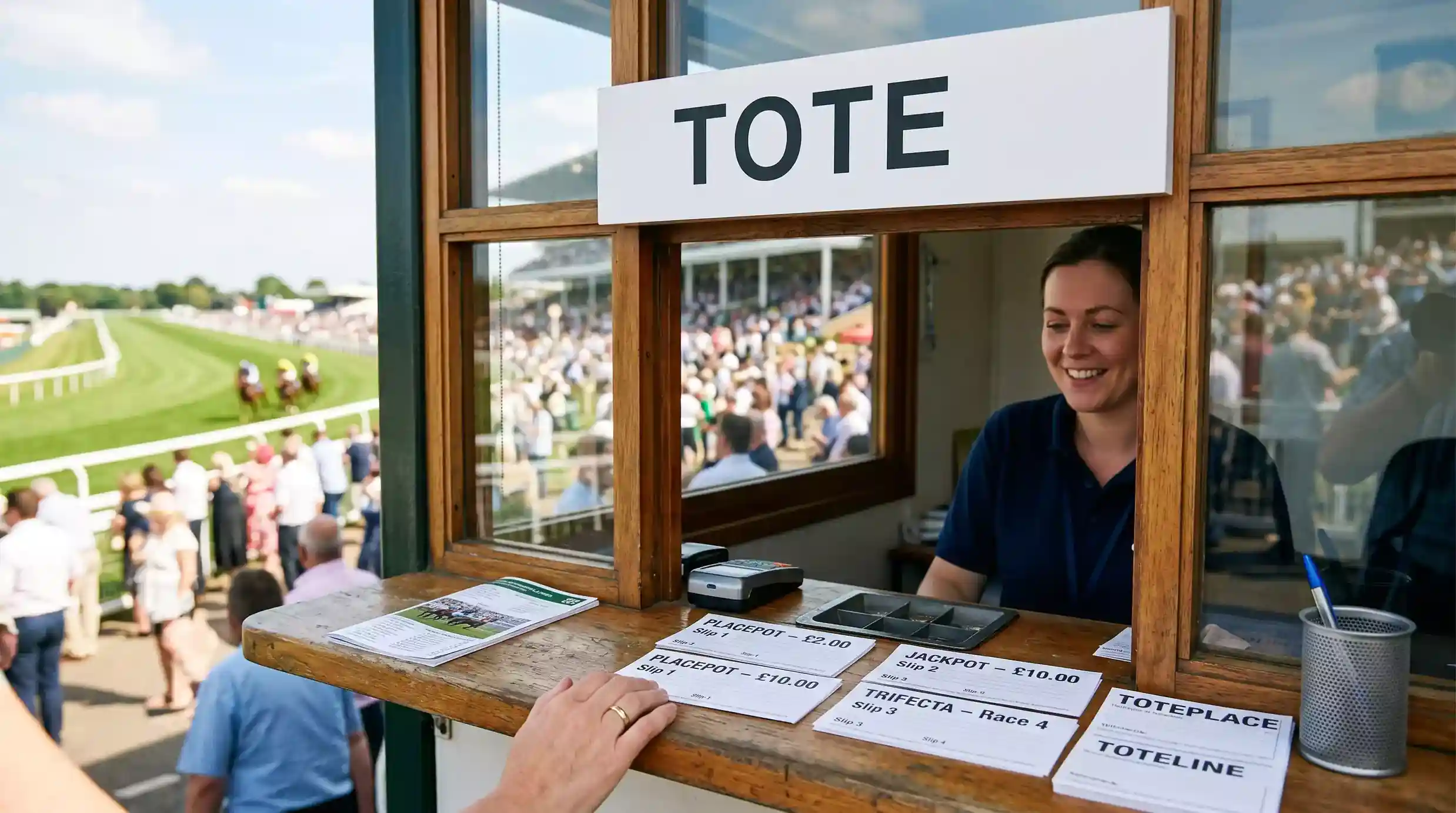
Rather than ranking specific operators, I look for three qualities when choosing where to place bets I might want to cash out. First, speed of execution – the cash-out button should process within one to two seconds, with minimal rejections. Second, availability of partial cash out – not all operators offer this, and the ones that do give you meaningfully more flexibility. Third, cash-out availability across race types – some operators restrict cash out on certain markets (ante-post, Tote pools, forecast bets), which limits your options.
With 24.4 million active betting accounts across UK operators, the competition for in-play engagement is intense, and cash-out functionality has become a key differentiator. Operators invest heavily in the speed and reliability of their cash-out systems because they know that a fast, smooth experience encourages more frequent use – which, as we have established, benefits the bookmaker. Use this knowledge strategically: choose operators with excellent cash-out infrastructure, but use the feature only when the analytical case supports it, not because the button is conveniently placed.
Cash Out as a Tool, Not a Habit
The best way to think about cash out is as insurance you can buy during a race. Like all insurance, it has a premium (the bookmaker’s margin), and like all insurance, it is worth buying only when the risk you are covering justifies the cost. Buying insurance on every bet, every race, every time you feel anxious, is expensive and unnecessary. Buying it at the right moment – when a specific, identifiable risk threatens a profitable position – is smart portfolio management.
Track your cash-out decisions the way you track your bets. Record what you cashed out, what the final result was, and what your return would have been without cashing out. After a month of this, the data will tell you whether your cash-out instincts are adding or subtracting value. For most punters, the data reveals that they cash out too often and too early. For the disciplined minority, cash out becomes what it should be: a precision instrument in the horse racing betting toolkit, not a panic button.
Can I cash out an each-way horse racing bet?
Some UK operators offer cash out on each-way bets, but availability varies. When offered, the cash-out figure reflects the combined value of both the win and place parts of the bet based on current in-play prices. Not all operators support each-way cash out, and those that do may restrict it to certain race types or bet sizes. Check your operator’s terms before assuming the feature is available on an each-way wager.
Why does my cash-out value change during a race?
The cash-out value is recalculated in real time based on the in-play odds of your selection. As the race unfolds – horses take the lead, fall, or fade – the probability of your bet winning changes, and the cash-out offer adjusts accordingly. A horse that moves into contention will see its cash-out value rise; one that loses ground or encounters trouble will see it fall. The bookmaker also applies a margin to the calculation, which means the cash-out offer is always slightly below the theoretical fair value.
Created by the ”Horse Racing bet Website” editorial team.