Royal Ascot Betting Guide: Races, Odds and Bookmaker Offers
 Available in US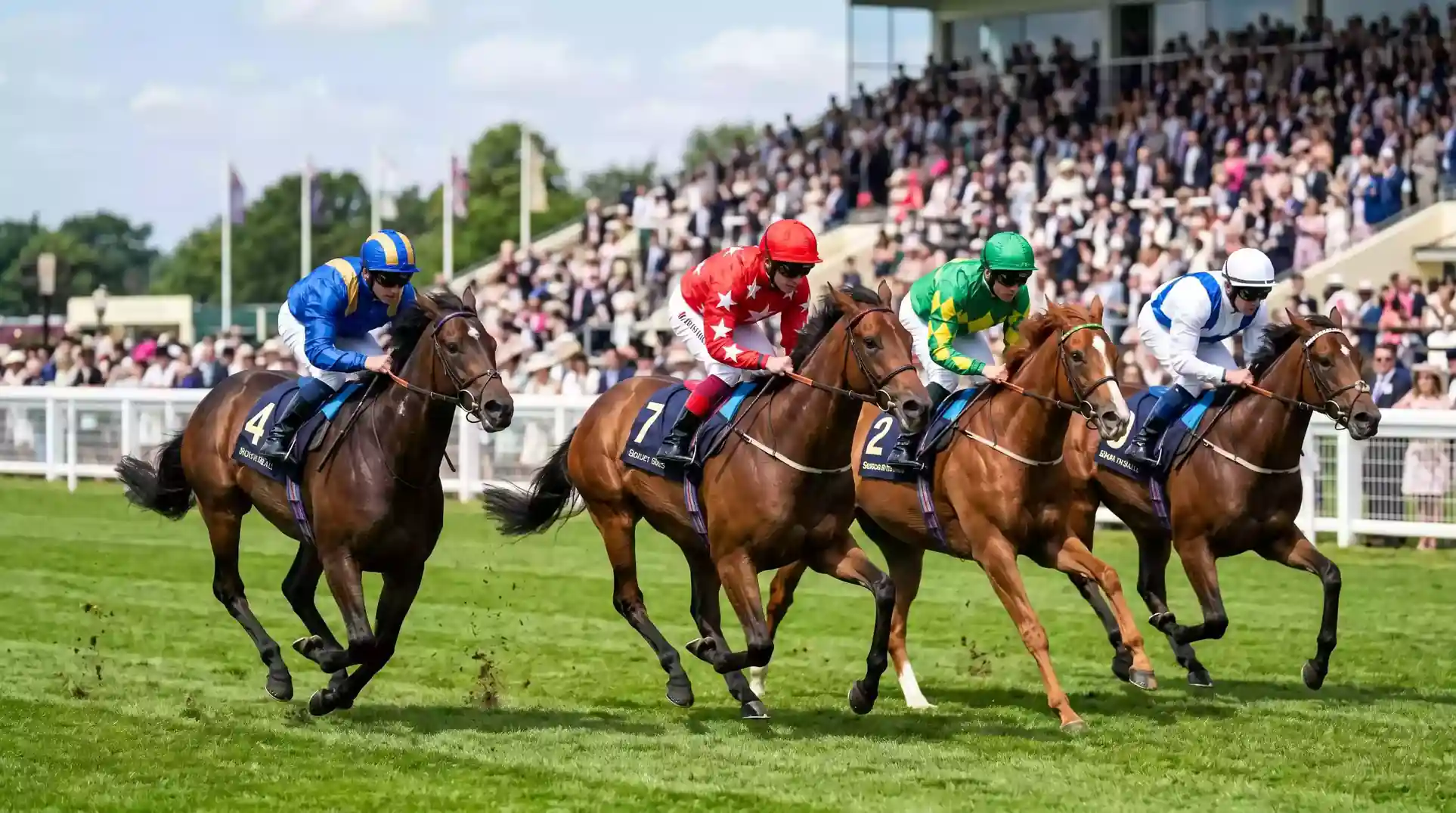
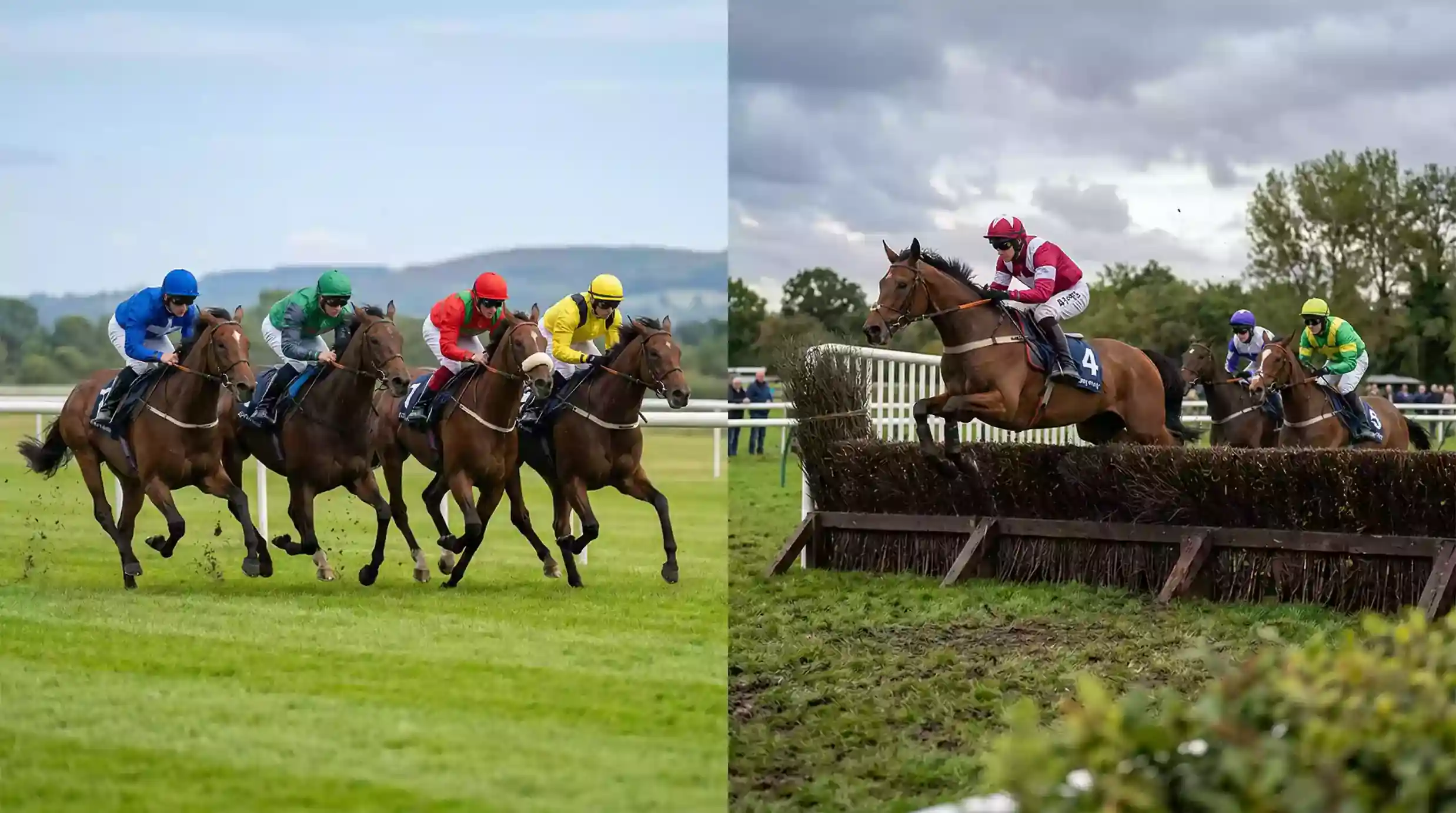
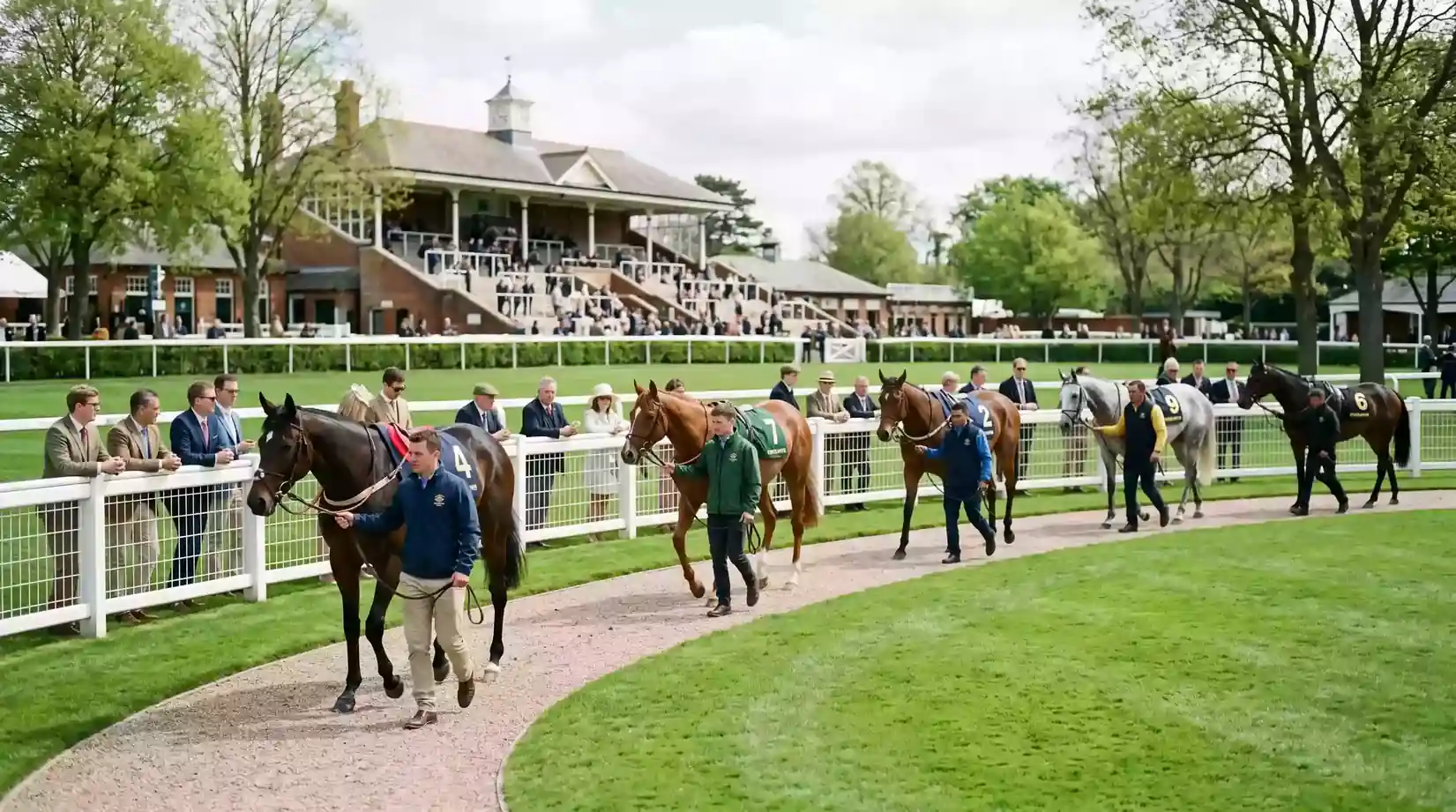
Royal Ascot in June is flat racing’s answer to Cheltenham – five days of the best horses, the best jockeys, and the most competitive fields in the calendar. I attended my first Royal meeting in 2018, and the quality of the racing was so far above an ordinary Saturday card that it recalibrated my understanding of what a race meeting could be. Thirty races across five days, with prize money and prestige that attracts runners from Ireland, France, America, Japan, and Australia. For the bettor, Ascot is simultaneously the most exciting and the most challenging week of the flat season, because the concentration of class means that identifying value requires a depth of analysis that everyday racing does not demand.
Key Races at Royal Ascot for Bettors
Each day of the Royal meeting features at least one Group 1 race, and the week’s programme covers every major discipline of flat racing – sprinting, miling, middle distance, and staying.
Tuesday opens with the Queen Anne Stakes over a mile – a race that regularly attracts the best miler in Europe and sets the tone for the week. The King Charles III Stakes (formerly the King’s Stand), a five-furlong dash, is a pure speed test that produces thrilling finishes and often features the reigning sprint champion.
Wednesday brings the Prince of Wales’s Stakes, a mile-and-a-quarter contest for the elite middle-distance horses, and the Royal Hunt Cup, a mile handicap with a field of 20 or more runners that is one of the most competitive betting races of the year. Thursday features the Gold Cup over two and a half miles – the week’s prestige event and the one that generates the most public interest outside the betting community. Friday and Saturday round out the meeting with a mix of Group races and big-field handicaps.
For the bettor, the Group races and the handicaps present entirely different challenges. The Group races feature small, tightly matched fields where the form is well-documented and the market is efficient. Finding value requires identifying subtle advantages – a horse that handles the Ascot camber better than its rivals, or a runner whose form on good ground is underrated by a market that has focused on its last run on different going. The handicaps are open, chaotic, and priced accordingly. Fields of 20 to 30 runners create massive uncertainty, and the each-way market becomes the primary battleground for value.
Odds Patterns and Where Value Appears
Royal Ascot markets behave differently from everyday racing markets, and recognising the patterns helps you identify where the pricing is least efficient.
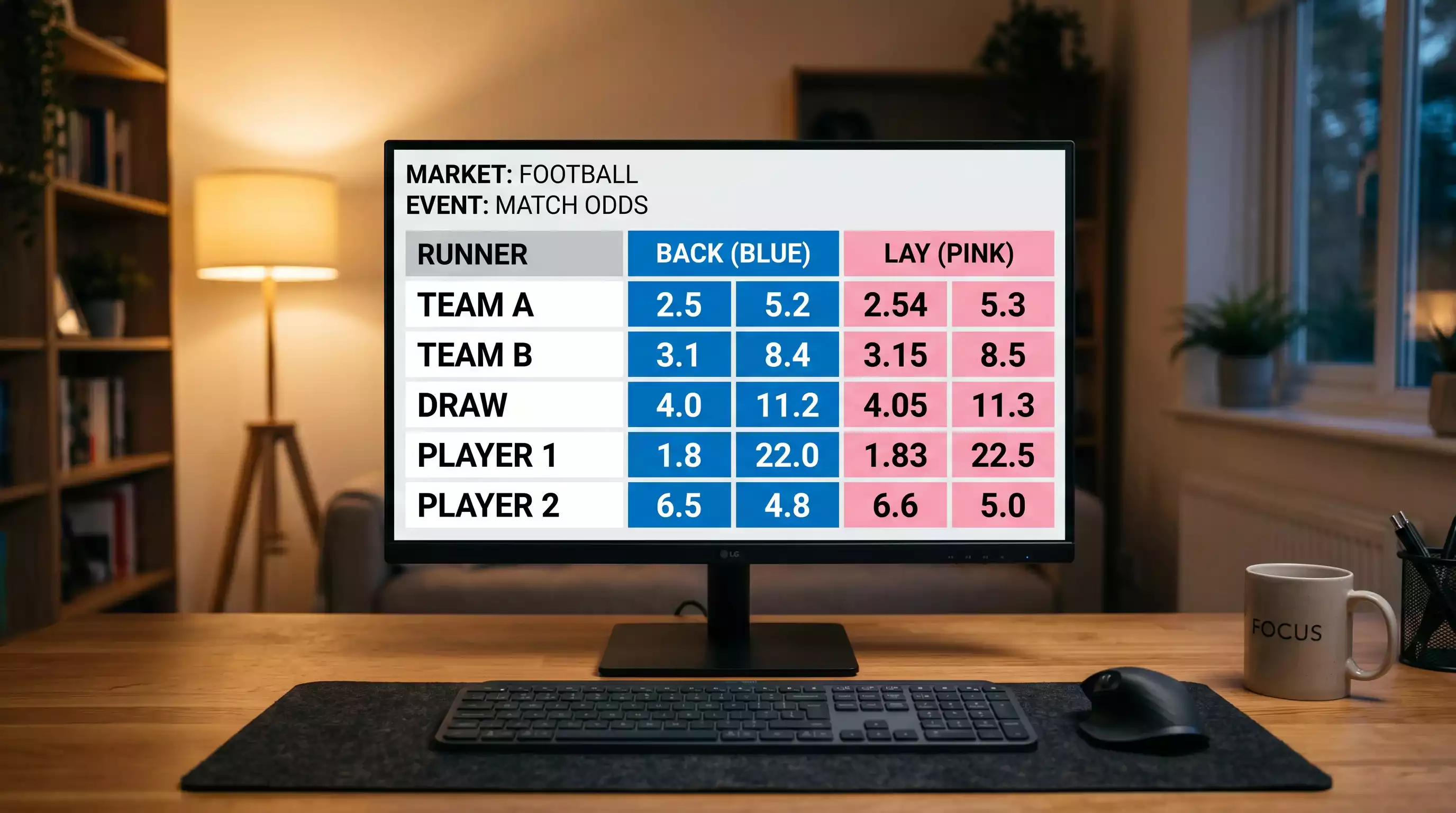
The Group races are heavily traded and attract significant professional money from international syndicates, racing operations, and data-driven punters. This makes the odds tight and the overround low – good for the bettor in one sense (less margin to overcome) but challenging in another (the market is efficient, and genuine mispricing is rare). Value in the Group races tends to come from situational factors that the data models underweight: first-time application of cheekpieces, a return to a surface preference after a run on unsuitable ground, or a trainer who has a specific record of peaking horses for Ascot.
The handicaps are where the real opportunities live. A 25-runner Royal Hunt Cup or Wokingham Stakes has so many variables – draw, pace, ground, jockey booking, handicap mark – that the market cannot price every runner accurately. The overround on these races is higher than on the Group events, but the mispricing is also wider, and the punter who does the work can find overlays that the efficient Group markets do not offer.
Horse racing betting participation peaks at around 7% of UK adults during the April-to-July period that includes Royal Ascot. The seasonal surge brings casual money into the market, and casual money tends to flow toward familiar names, recent winners, and media-hyped selections. This clustering of public money shortens the prices of popular horses and lengthens the odds of less fashionable runners, creating value on the periphery of the market that a form reader can exploit.
Best Bookmaker Offers for Royal Ascot
The promotional landscape for Royal Ascot mirrors Cheltenham in its intensity, though the specifics differ because the flat programme produces different betting dynamics.
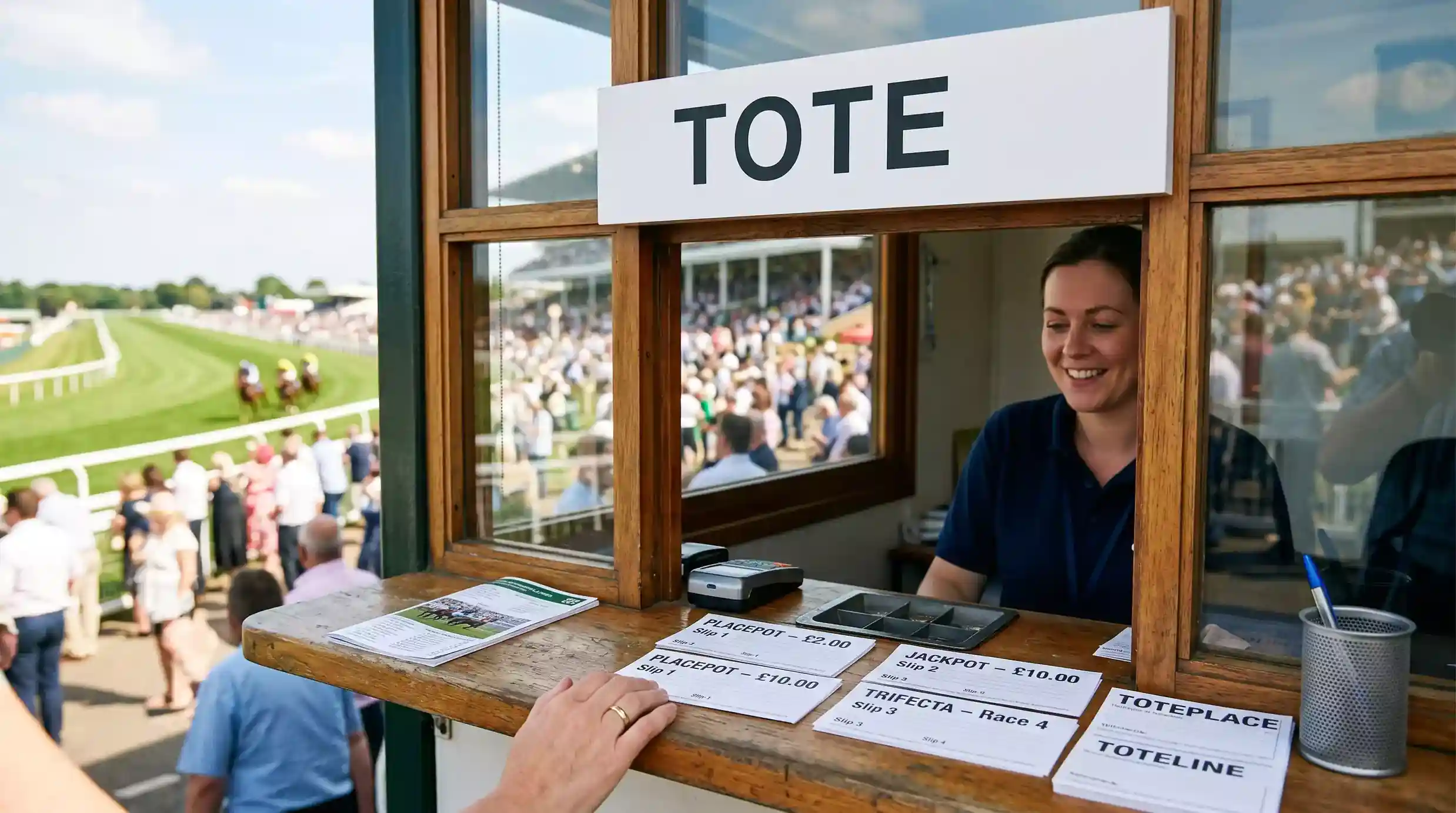
Extra-place offers are the most valuable Ascot promotions because the big handicaps regularly feature fields large enough to make the additional place terms meaningful. A bookmaker paying six places on the Royal Hunt Cup instead of three changes the each-way maths substantially, and identifying which operators are offering the most generous place terms before the meeting starts is worth the effort.
Best-odds-guaranteed coverage across the full Ascot card is essential. The market moves significantly between the morning and the off, particularly on the Group races where late jockey bookings or going changes can shift prices. BOG protects your early-price positions while giving you the upside if the SP exceeds your taken price. Not all operators extend BOG to every Ascot race, so verify before the meeting begins.
Enhanced-odds specials on headline races like the Gold Cup and the Queen Anne are common but typically carry maximum stake restrictions and pay in free bets rather than cash. These are marginal value adds rather than strategic foundations. I claim them when the qualifying conditions align with bets I was already making, and I ignore them when they require me to bet outside my normal approach.
A Week-Long Betting Approach to the Royal Meeting
My Ascot routine starts two weeks before the meeting. I review the entries, study the form of potential runners, and build a preliminary assessment for every race on the programme. In the final week, as declarations crystallise and the ante-post markets sharpen, I refine those assessments and begin taking positions where the price exceeds my valuation.
During the meeting itself, I split my focus between pre-race form study and in-play observation. Watching the early races on each day provides information about the ground, the track bias (which part of the course is riding fastest), and the riding tactics that are working. This information feeds into my analysis for the later races, sometimes prompting a change of selection or a shift in staking.
Over 2.3 million people attended UK racecourses in the first half of 2024, and Royal Ascot consistently draws one of the largest crowds of any meeting in the calendar. The atmosphere, the quality of the racing, and the sheer volume of betting activity make it the flat season’s peak moment. Approach it with a plan, execute the plan with discipline, and treat the week as a concentrated analytical exercise rather than a five-day punt. The racing each-way opportunities at Ascot’s big handicaps are some of the best you will find all year. The Group races demand respect and humility. Together, they make Royal Ascot the finest test of a flat-racing bettor’s skill – and the most rewarding to get right.
When should I place ante-post bets on Royal Ascot?
The optimal window is after entries are confirmed and the field shapes become clearer, typically two to three weeks before the meeting. Prices at this stage are still longer than they will be by race day, but the worst of the uncertainty around declarations has been resolved. Very early ante-post bets (months in advance) offer the longest prices but carry higher non-runner risk, particularly for horses whose Ascot targets depend on trial form or going preferences.
Which Royal Ascot races have the biggest fields for each-way value?
The Royal Hunt Cup (Wednesday, one mile), the Wokingham Stakes (Saturday, six furlongs), the Buckingham Palace Stakes (Wednesday, seven furlongs), and the Britannia Stakes (Thursday, one mile) consistently attract fields of 20 or more runners. These are the races where each-way value is most prominent, particularly when bookmakers extend place terms to five or six places. The large fields create pricing inefficiency that rewards thorough form analysis.
Created by the ”Horse Racing bet Website” editorial team.